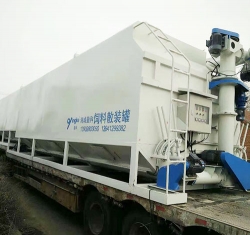






Check tightness: Ensure the tank cover is well sealed to prevent feed from moisture and deterioration.
Cleanliness: Regularly clean residual feed inside the tank to prevent mold growth.
Avoid overloading: Do not exceed the rated capacity of the tank.
Ensure ventilation: Maintain good ventilation to prevent feed caking.
Moisture and sun protection: Keep the tank away from damp areas or direct sunlight.
Safe operation: Operate in accordance with the instructions to prevent accidents.
Regular inspection: Check the tank body for cracks, corrosion and other defects.
Static prevention: Take anti-static measures to avoid fire hazards.
Compliance use: Abide by relevant laws, regulations and standards.
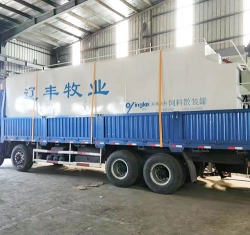
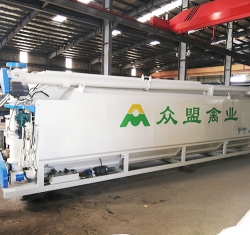
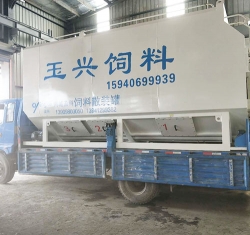
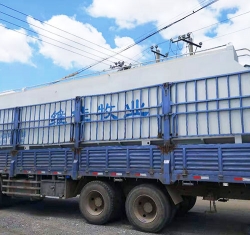
Small size: About several to ten cubic meters, suitable for small farms or individual breeders.
Medium size: Ten to dozens of cubic meters, meeting the needs of medium-scale farms.
Large size: Dozens or even hundreds of cubic meters, used in large-scale farms.
Breeding scale: Determined by the number of animals and feeding volume.
Feed supply cycle: Consider the convenience of procurement and transportation.
Site space: Ensure sufficient space for placing the feed tank.
Capital investment: Larger capacity usually means higher cost.