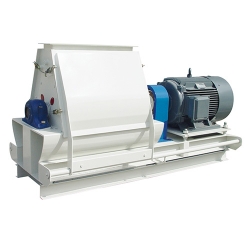
The operation method of the hammer mill is as follows:
Inspection and PreparationBefore use, inspect all components of the mill to ensure they are intact, check whether fastening bolts are loose, and examine the wear of hammer blades, etc. Ensure the mill is in good working condition.
FeedingFeed the materials to be crushed evenly into the feed inlet of the mill. Avoid overloading, as this may affect crushing efficiency and service life of the equipment.
StartupStart the mill in accordance with the equipment operating procedures. Normally, turn on the power or air supply first, then activate the driving unit of the mill.
Operation and MonitoringDuring operation, closely monitor the equipment’s performance, including noise, vibration, temperature, etc. Shut down the machine promptly for inspection if any abnormality is detected.
DischargingAfter crushing, the materials will be discharged from the outlet. Suitable discharging methods such as collection bags or conveyor belts can be selected as required.
Cleaning and MaintenanceAfter use, clean up residual materials inside the mill in a timely manner to keep the equipment clean. Perform regular maintenance, inspect the wear of hammer blades, and replace severely worn parts.
To determine whether the hammer mill is operating normally, observe and inspect the following aspects:
Hammer Mill
Noise and VibrationA normally operating hammer mill runs smoothly with low noise and vibration. Excessive noise or abnormal vibration may indicate equipment malfunction or imbalance.
Crushing EffectCheck whether the particle size of the crushed materials is uniform and meets the expected crushing effect. Poor crushing performance may require inspection of hammer blade wear or adjustment of operating parameters.
TemperatureThe mill generates a certain amount of heat during operation, but the temperature should stay within a reasonable range. Overheating may suggest overloading or insufficient lubrication.
Discharging PerformanceDischarging should be smooth without blockage or accumulation. If discharging is not smooth, clean the outlet or inspect the conveying device.
Motor LoadMonitor the motor load; the motor should not be overloaded during normal operation. Excessive load may indicate improper feeding volume or equipment blockage.
Component WearRegularly inspect the wear of key components such as hammer blades and screens. Replace severely worn parts in time to ensure crushing efficiency and equipment performance.
The above is the operating method of the hammer mill. For further information, please consult the hammer mill manufacturer.